








Vietnam has quietly become one of Southeast Asia’s most underrated wellness destinations. Beyond its street food, buzzing cities, and scenic coastlines lies a deeply rooted massage culture that blends traditional healing methods with modern spa experiences. For travelers seeking relaxation after long flights or relief from the intensity of city exploration, Vietnamese massage offers an experience that is both therapeutic and culturally immersive.
Massage in Vietnam is not just a luxury reserved for high-end resorts. It is woven into everyday life, available in humble neighborhood shops, mid-range wellness centers, and five-star spa retreats. Each setting offers a different experience, yet all share a commitment to restoring balance between body and mind.
The Philosophy Behind Vietnamese Massage
Vietnamese massage techniques are influenced by traditional Eastern medicine, particularly concepts of energy flow, pressure points, and muscle stimulation. Many treatments focus on improving circulation, reducing tension, and encouraging natural healing rather than simply providing surface-level relaxation.
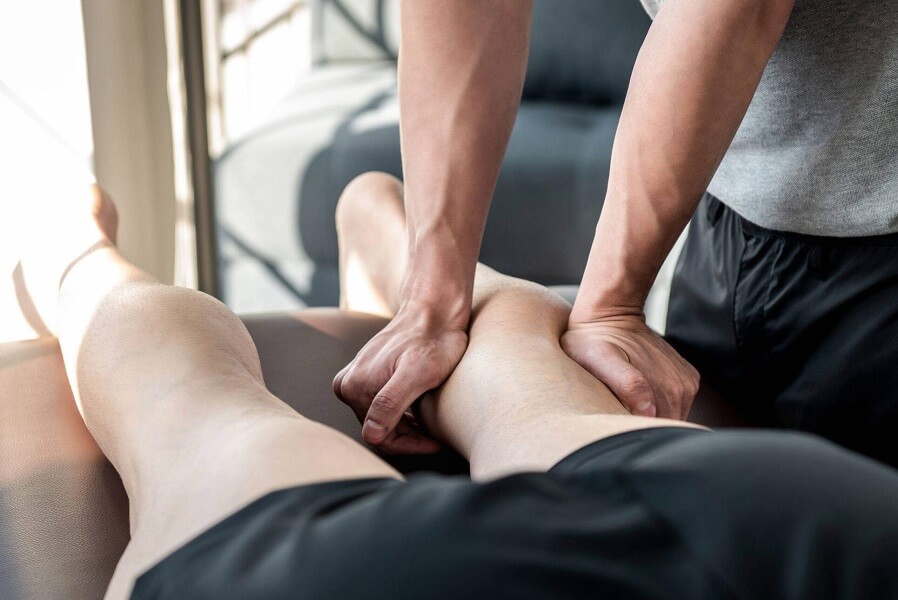
Therapists often combine firm pressure with rhythmic movements, stretching, and targeted techniques designed to relieve stress accumulated from long working hours or travel fatigue. Unlike purely Western massage styles, Vietnamese massage tends to be more functional, aiming to correct discomfort and restore mobility.
Popular Types of Massage in Vietnam
One of the reasons Vietnam stands out is the variety of massage styles available. Foot massage is especially popular, as it aligns with reflexology principles and is ideal for travelers who spend hours walking through markets and old towns. These sessions usually include herbal foot soaks and focused pressure on specific points linked to internal organs.
Full-body oil massage is another common option, offering a smoother and more relaxing experience. For those seeking something more traditional, herbal compress massages use heated cloth bundles filled with medicinal herbs to ease muscle stiffness and promote circulation.
In major cities like Ho Chi Minh City, Hanoi, and Da Nang, it’s also easy to find specialized services such as Thai-inspired stretching massage, hot stone therapy, and deep tissue treatments tailored to individual needs.
What Makes Vietnam Massage Unique
What truly sets Vietnamese massage apart is its balance between affordability and quality. Even high-quality services are often available at a fraction of the price found in Western countries. This accessibility allows visitors to enjoy regular sessions during their stay rather than treating massage as a one-time indulgence.
Another unique aspect is the attentiveness of therapists. Many are trained through rigorous programs and rely heavily on hands-on experience. Communication may be minimal due to language differences, but the quality of touch and technique often speaks louder than words.
For travelers looking to explore this wellness culture more deeply, guides such as 베트남 마사지 provide valuable insights into locations, etiquette, and what to expect from different types of establishments.
Massage Etiquette and Tips for First-Time Visitors
While massage culture in Vietnam is welcoming, a few etiquette tips can enhance the experience. It’s customary to arrive clean and on time, as sessions are often scheduled back-to-back. Many places provide disposable clothing or towels, and modesty is respected throughout the treatment.
Tipping is not always expected but is appreciated, especially in smaller establishments. A modest tip can go a long way in expressing satisfaction with the service. It’s also helpful to communicate any discomfort or preferences before the session begins, even using simple gestures if language becomes a barrier.
Why Travelers Should Try Massage in Vietnam
Travel can be physically demanding, and Vietnam’s climate, traffic, and pace of life can add to fatigue. Massage offers a practical way to recharge, improve sleep, and stay energized throughout a trip. For individuals experiencing joint discomfort after long periods of walking or travel, a Knee Massager Device can complement massage therapy by providing targeted support and relaxation for the knees. Beyond the physical benefits, it also provides a moment of calm and reflection in an otherwise vibrant environment.
For digital nomads, business travelers, and long-term visitors, regular massage can become part of a healthy routine, helping maintain productivity and overall well-being.
Final Thoughts
Vietnam’s massage culture reflects the country itself: warm, skillful, and deeply rooted in tradition while remaining open to modern influences. Whether you’re seeking relief from sore muscles, a break from daily stress, or a deeper connection to local wellness practices, Vietnamese massage delivers a memorable and beneficial experience.
By understanding the philosophy, types, and etiquette surrounding massage in Vietnam, visitors can fully appreciate why it remains one of the most rewarding aspects of travel in the region.